
My 20 year property returns

I was pleased to have reached the 10 year point of tracking my investment portfolio last month.

But my net worth includes an important asset class – property – that I don’t normally track, but which I have held in some form for over 20 years.

So, this post takes a look at how my real estate assets have performed.

Real estate works completely differently, for me, than my investment portfolio. For starters, I have never bought a home as an investment. But let’s start at the beginning.

My property owning history

I nearly got on the property ladder in the mid 1990s.
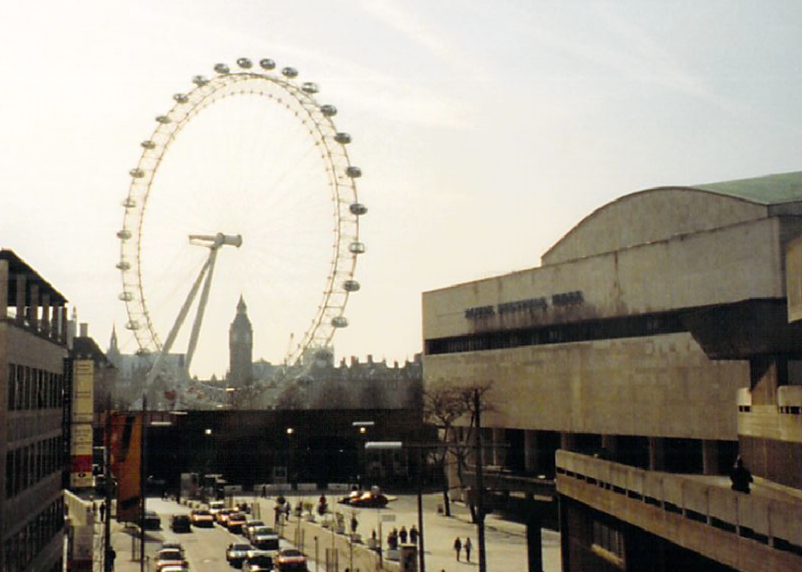
I hadn’t realised, until a friend pointed it out a few years too late for me, that in fact one of the easiest times to get on the property ladder was the moment when I graduated and moved to London. My first job earnt a reasonable London salary of just over £20k, and 1 bed flats in a reasonable part of Zone 1 in London were available for under £70k (now £800k-£1m, sigh).

Mortgage rates had dropped from >13% in 1990 to around 7%. The interest costs could have been around £5k, a quarter of my first-job income. That was in the mid 1990s. It didn’t occur to me to buy a place, and of course those property prices were so high…..
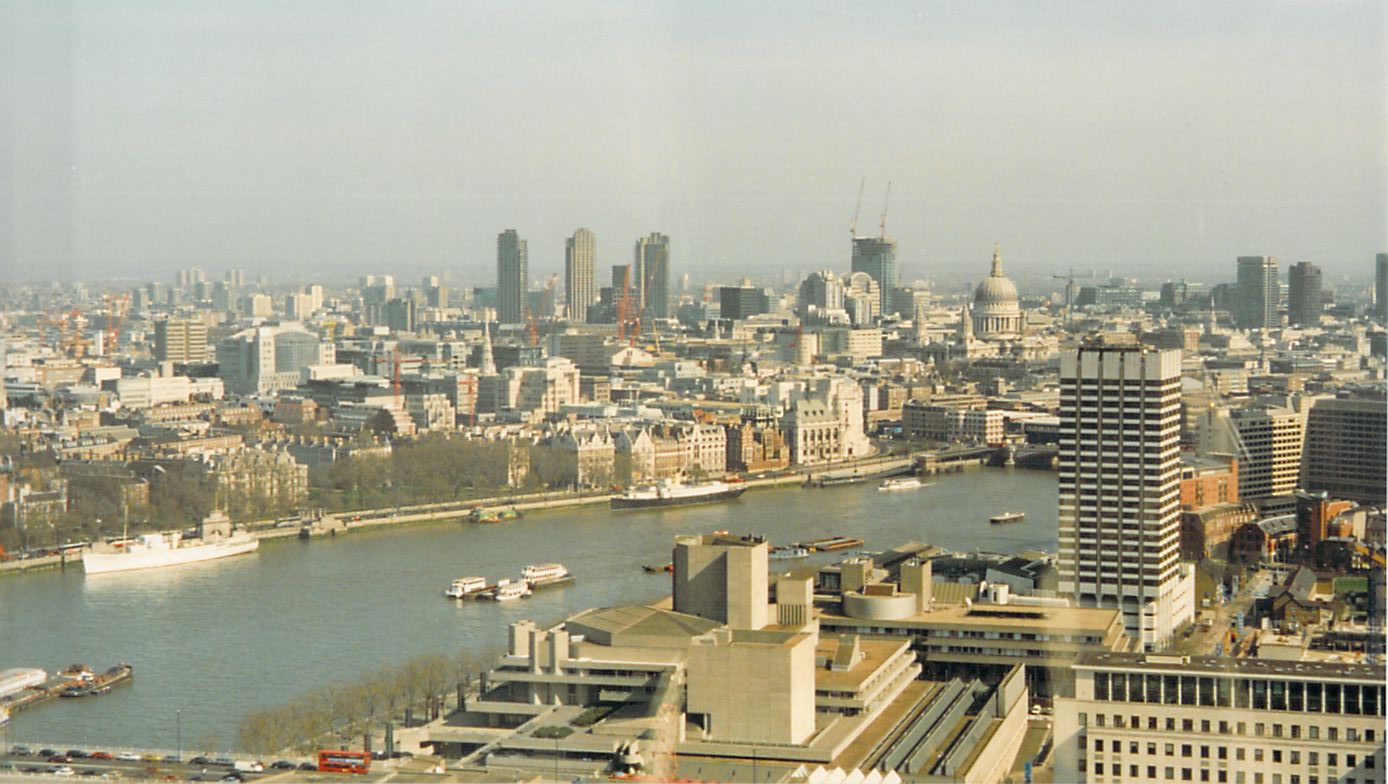
By the late 1990s, buying a property had become a lot harder. But once I was earning £40k+ I decided to take the plunge. I found a reasonable 2 bed place very close to Zone 1 for £200k (now £500k). The mortgage (at around 7% interest, i.e. interest costs were £13k, a third of my gross income) and the deposit (£20k, if I remember rightly, for a 90% mortgage) were a massive stretch….. and then I was gazumped. By the time I reorganised, the places I wanted cost £220k+ and I couldn’t quite afford it.

Continue reading “My 20 year property returns”

June 2021 – Alpha, Beta and Delta

June saw the return of Covid in a big way for London and the UK.

While in much of Europe/USA, a covid case is now a rarity, in the UK case numbers are up dramatically – 20-fold in my part of London for instance (see graph below). The Delta variant now accounts for >90% of the cases and, wow, does it spread easily. Other countries, notably Australia, will almost certainly have some of this to come – but you hear it from London first.

Cases reported in my area by the Zoe app

The UK is aiming to outrun the Delta variant by vaccinating. The complication with this plan is that you need two jabs to have even a hope of avoiding Delta, and if you have AstraZeneca than your hope is only a 60% hope even with 2 jabs. A virus with an underlying reproductive factor of 8 laughs at protection of only 60% – reducing 8 by 60% leaves the Delta variant with the same reproductive ratio as the original Covid-19 variant.

Continue reading “June 2021 – Alpha, Beta and Delta”

Whither London?

I feel as if there is a crescendo of doom-mongering about London.

Some of the most expensive footfall in the world

Most notable for me was a piece a week or two ago by Simon Kuper in the FT. Kuper argues that three things threaten to diminish London, risking it following Vienna and Constantinople into decline:

  • Covid-19. Covid means lockdown. And lockdown means working from home. Kuper argues that “though working from home threatens all cities, it disproportionately threatens London”.
  • Brexit. The “UK-EU trade deal does little for London”. In the first week of the Brexit new world, apparently €6bn a day of stock trading moved from the UK into the eurozone, which alone could be worth has much as £20bn a year of lost revenues (a quarter of the UK’s services trade surplus). I hear rumours that Goldman Sachs is yet to move 2000 roles from the UK into the EU. That is a lot of tax that won’t be paid to HMRC, and fancy dinners no longer being enjoyed in the West End.
  • The role of English. Kuper argues that “a decade ago there was no obvious European substitute for London. Now, cities like Berlin, Copenhagen, Amsterdam have become quasi-bilingual business hubs.”

Kuper cites house price data as suggesting that “local rivals are eating into London’s supremacy”: London’s prices have fallen (in international terms) since 2016, whereas Parisian prices are up about 25%. More money is going into Paris’ office space than London’s in 2019, the year before the pandemic.

Continue reading “Whither London?”