
January 2019: many happy returns

I had a decent break over the New Year period, and whiled away far too much time reading blogs/etc. I felt very up to date, at the time.  Now of course I can’t remember what actually happened in January – proving the point of Nassim Taleb/others.

Overall I don’t think January was that notable for world politics/markets.  Davos saw the usual flurry of policy-making headlines, but nothing stood out for me.  

Closer to home Brexit dominated the news media, with as expected the UK government’s EU deal being rejected by a thumping majority in parliament.  For some reason markets have reacted fairly favourably to these developments, I think because they appear to suggest ‘no deal’ looks very unlikely.  I can’t say I am as sanguine, but in any case the pound rose to $1.33 at some point and ended the month over 2% up against the USD.

Equities recovered over half of their Q4 falls.  Everywhere.  Especially some tech stocks (Amazon up 13%, Facebook up 25% (!)).  Even bonds rose gently.  Sentiment has changed dramatically, without any particular data or hard facts to point to.  Sigh.

Continue reading “January 2019: many happy returns”
Declaration of financial independence?

Over the new year break I found myself really enjoying the blog post by {indeedably} in which he breaks down his assets and income.

He has an unusual way of looking at his state of financial dependence, as shown by his image below:

i-own-buying-control-of-my-time-e1535807204287

His core point is that his level of financial independence depends on

  1. the amount of his expenses – some of which are ‘wants’ rather than ‘needs’,
  2. the level of investment income he can expect and
  3. how much ‘time he wants to sell’ (i.e. paid work he wants to do). He isn’t fully independent, but only ‘sells’ about half his time.

One thing that shows up clearly in {indeedably}’s graph is that investing can be expensive. In his case, a significant portion of his assets are property, and as a result his investing expenses appear to include a) mortgage costs b) property management and c) property maintenance – among other things.  I think they will also include his investment fund expenses/fees too.

Putting on {indeedably}’s glasses

I spent a few hours bashing my expense tracking data into a similar format to {indeedably} and now can view my cashflows on a broadly comparable basis.

Continue reading “Declaration of financial independence?”

Avoiding tax in the UK

I was asked to help a friend of mine, a (~50 year old) widow, complete her UK tax return recently. In the UK the final deadline for filling in your own tax return is 31 January, and the process these days can all be done online via the taxman’s excellent website. Her finances were illuminating.

What is a rich widow?

This widow’s income is roughly as follows:

  • £45k of earnings. She is a freelance creative.
  • £25k of investment income, about half of which was taxable (‘unsheltered’). She has about £700k of investments, roughly half in tax-free accounts (ISAs/SIPPs), and half unsheltered. She has no other income-generating assets.
  • £10k of contribution to her pension. She is a (non-executive) company director of her ex-husband’s company which doesn’t pay her but does make £10k per year payment into her SIPP.
  • £12k of (realised) capital gains last year, all in unsheltered accounts .

This lady’s total income/gains last tax year amounted to over £90k. This puts her in the top 10% of the UK by income, but not the top 5%.

But how much does an ‘average striver’ pay in tax?

Now, before we continue with my widow friend, let’s have a think about ‘average Joanna’, a typical striver in the UK.

Consider Joanna, a (hypothetical) 50 year old who works full-time for the NHS, earning £45k (roughly the London average wage). For a like-for-like comparison, her pension (contribution, from her employer) and (NHS pension investment equivalent) income on top of this would add about £25k to her taxable income, all tax-free.

Joanna pays £6.6k of tax, and £4.4k of national insurance, totalling £11k of tax/NI. This works out as 24% of total gross pay.

How much tax does this ‘rich widow’ making £90k pay?

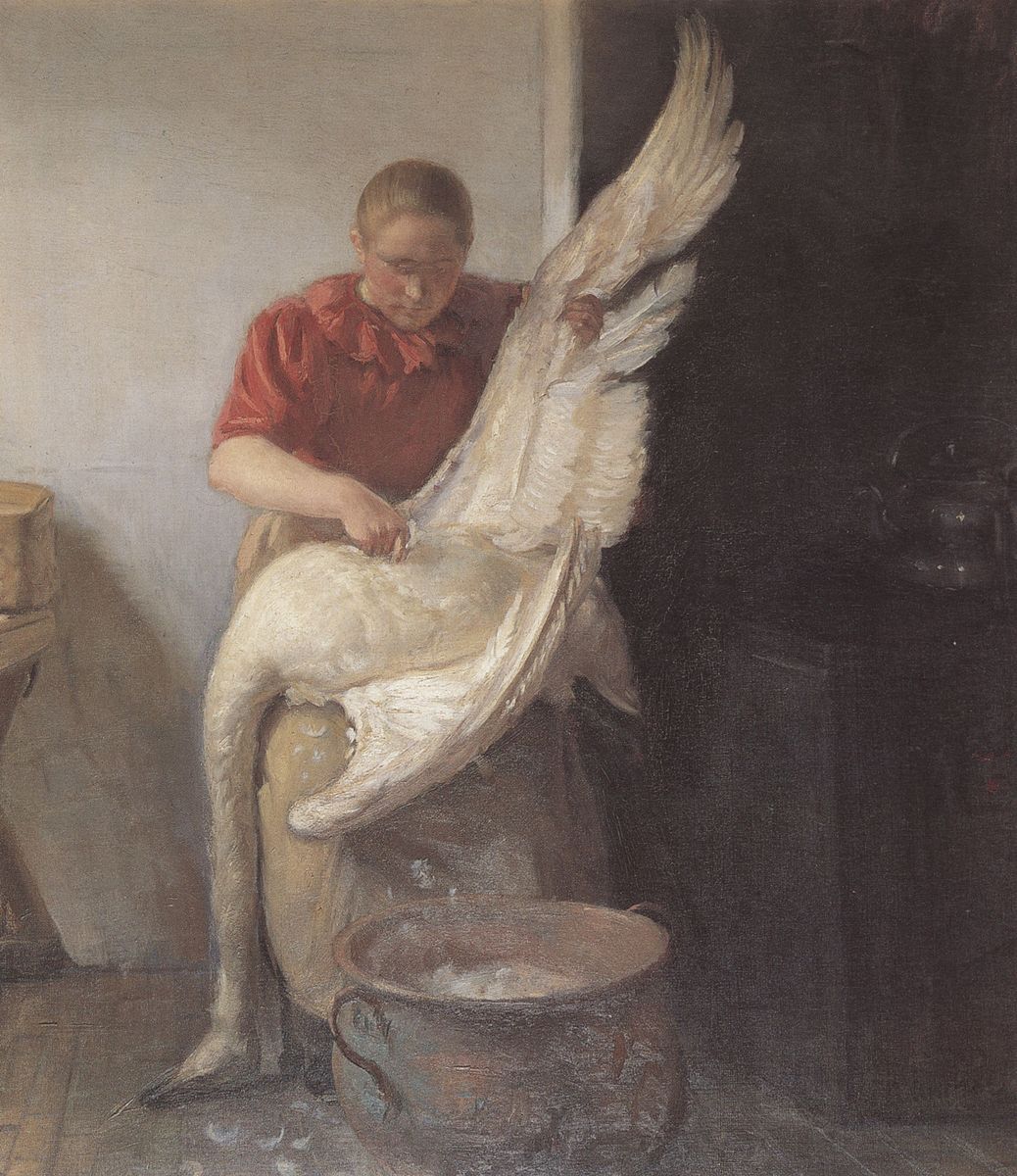
“the art of taxation consists in so plucking the bird as to obtain the largest possible amount of feathers with the smallest possible amount of hissing.” – Colbert, paraphrased

What total tax/social charges (National Insurance, in the UK) do you think she owes on her annual income/gains?

Before continuing reading, think of a number.

Continue reading “Avoiding tax in the UK”